You can expect a raw view of my adventures in: canning, chickens, recipes, my musings, essential oils and natural remedies, meal prepping, maybe some goats, gardening, fun fails, humor and sarcasm; I speak both fluently – because if you can’t laugh at life, what’s the point?
Saturday, March 4, 2017
One-Pan Greek Chicken + Rice
Makes 4 servings
If you have an abundance of tomatoes and basil in the garden then this recipe is for you!
Ingredients: 2 large chicken breasts (about 1 pound)
1 tsp garlic powder
1 tsp cayenne pepper
1 tsp smoked paprika
1 tsp dried Italian herbs
1/2 tsp sea salt
1 fresh lemon
2 cups cooked brown rice
1 cup organic vegetable stock
1 cup cherry tomatoes, halved
1/2 cup chopped fresh basil leaves
¼ cup feta cheese
Instructions: In a shallow dish, combine chicken breasts with olive oil, garlic powder, cayenne pepper, paprika, herbs and salt. Toss to coat.
Heat 1 Tbsp of oil in a skillet (pick one that has a lid) over medium-low heat until the pan is hot. Add the chicken and cook for about 5 minutes or until the sides of the chicken start to turn white. Flip chicken over and squeeze half the lemon over the top of each chicken breast. Cover pan with the lid and cook for another 3-4 minutes or until the internal temperature reaches 165.
Remove chicken from the pan and set aside. Squeeze the rest of the lemon into the pan and pour in the stock. Bring to a simmer and add rice. Reduce heat and cover. Cook for 5 minutes until the rice has absorbed all the stock.
Chop basil and tomatoes. Slice chicken diagonally. Remove the lid and layer chicken, basil, feta and tomatoes on plates.
from clean food crush
Friday, March 3, 2017
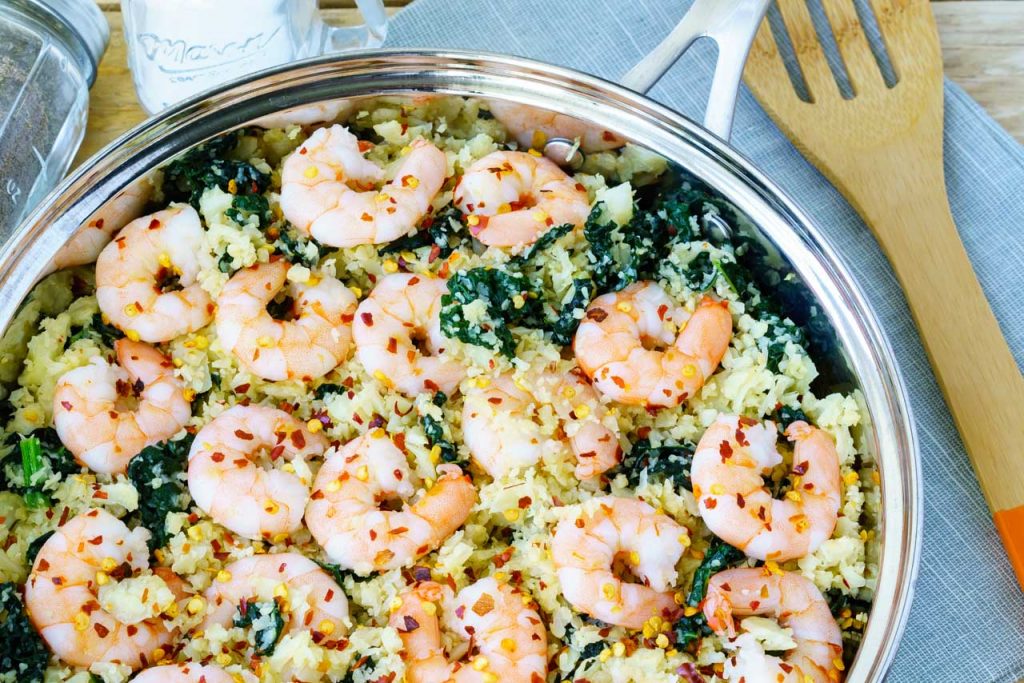
Spicy Garlic Shrimp + Cauliflower Rice
Quick lunch or dinner idea….packed with nutrients, and as simple as it gets to prepare

Makes about 3 servings
Ingredients:
Instructions:
Recipe from Rachel at Clean Food Crush

Makes about 3 servings
Ingredients:
- 1 lb. shrimp
- 1 Tbsp avocado oil, or olive oil + an extra tsp
- 1 head cauliflower, grated (if you have never made cauliflower rice, check this recipe out here)
- 4 cloves fresh garlic, minced
- sea salt and pepper to taste
- 1 tsp chilli flakes
- 3 cups fresh chopped kale
Instructions:
- Heat 1 Tbsp of oil in a large skillet over medium-high heat.
- Once hot, add the shrimp and cook for 1-2 minutes oneach side until cooked through. Season with salt andpepper and set aside on a plate.
- In the same skillet and a drizzle of olive oil, garlic, kale and sauté until softened. Add the cauliflower rice, chili flakes and season generously with salt and pepper.
- Stir fry for about 5 minutes, then add the shrimp back to the pan andcook for about 1-2 minutes until reheated.
Recipe from Rachel at Clean Food Crush
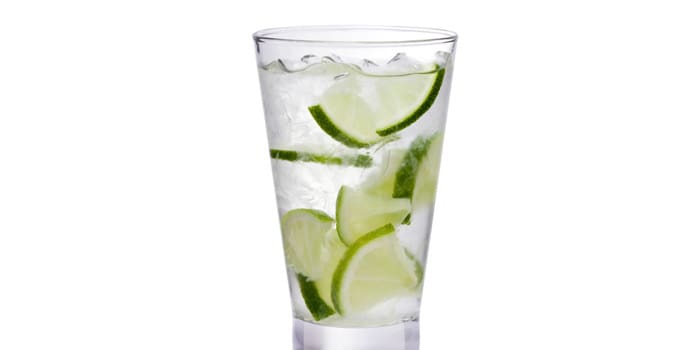
25 Ways to Drink More Water

Let’s do a simple nonscientific test to see if you are dehydrated right now. Pinch the skin on the back of your hand. Does your skin spring back into shape, like a gymnast sticking a landing? Or does it take its sweet time spreading out and settling? If your answer is the second one, you’re in need of some H2O.
You’ve heard us say hundreds of times how important it is to drink plenty of water. That’s because we can’t say it enough! If you want to lose weight, you need to drink water. If you exercise, you need to drink water. If you want healthy skin, you need to drink water. Your body is comprised of 70% water (and your brain is 90% water!). Your blood and every cell in your body are made almost entirely from water. If you want to be alert, have organs that function properly, and get the most out of your workouts, you need to drink enough water.
We get it. Drinking enough water to stay hydrated every day can be a daunting task. Here are 25 tips that will help. In the spirit of this article, how about pouring yourself a glass of water right now to sip as you read? Go ahead, we’ll wait.
Know how much you should drink
Knowing is half the battle, right? We recommend drinking half your body weight, in ounces of water, every day. So, if you weigh 180 pounds, divide that by 2. Your magic number would be 90. That’s 90 ounces of water every day, a little more than 2.5 liters.
Your number might be different
Everyone has different hydration needs, based on weight, exercise intensity, kidney function, climate, and a bunch of other stuff. If you live in Death Valley, for example, you’ll want to add a few more glasses of water. Pay attention to how your body feels when it is properly hydrated and use that as a cue.
Keep score!
Now that you know how much you need, it’s time to keep track of how much you are actually getting. Measure how many ounces your glass or bottle holds and figure out many times you’ll need to refill it during the day. There are dozens of free apps that keep track of your water consumption and reward you when you reach your goal. Find one that you like and turn hydration into a game.
Rise and shine!
Drink a glass—or two!—as soon as you wake up. You haven’t had any fluids for 8 hours, so this could be the most dehydrated you will be all day. Plus, it’s a great way to jump-start your metabolism. Try leaving a tall glass of water on your nightstand and drink it before you get out of bed. (Don’t try this if you have a cat, or it will knock the glass over in the middle of the night, splashing your face and soaking your slippers for you to step into in the morning... well that is what mine did.)
Watch the clock
Set an alarm to remind you to drink every hour during the workday. When it goes off, get up, shake a leg, and take a stroll to the water cooler for a refill. You’ll fulfill your water quota by quitting time.
Make it a habit
Do the timer trick above for 21 days and, congratulations, you will have formed a habit.
“But it will make me have to pee!”
Yes, it will. That’s a biological fact of life. While you’re in the bathroom, have a gander at the color of your pee. It should be mostly clear and odorless (unless you’ve been eating beets or asparagus). If it is dark or cloudy, you, my friend, are dehydrated. Drink a glass of water right away. Your body will also adjust to drinking this much water and soon, you won’t be running to restroom as often.
Make more water
Every time you go to the bathroom, replenish your body with a fresh 8 ounces of water.
Pair drinking water with other activities
Fill up your water bottle before you walk your dog, check your email, or when you leave for work. Drink a glass of water before you brush your teeth or wash your face. Then, drink another glass when you are done.
Choose your vessel
We think drinking out of a glass is more appealing than swilling from a paper or Styrofoam cup. And, it’s gentler to the environment. Choose a beautiful glass or pitcher that you’ll want to use frequently. Feeling fancy? How about a goblet?
Take it to go
Keep a water bottle with you at all times. Think of it as an accessory. Water bottles collided with fashion a long time ago; there are colors and styles for everyone. Splurge on one you really like, the bigger the better. Glass and stainless steel are the best choices, as they won’t leach chemicals into the liquid contents. Avoid plastic bottles whenever possible.
Exercise requires more water
Being dehydrated can slow you down and zap your energy, making your cardio or weight lifting workout feel brutal. Your muscles need fluids to function fluidly, so be sure to hydrate before, during, and after exercise.
Drink a glass before bed
If it doesn’t make you stumble to the bathroom in the middle of the night, drink a glass before you catch some Zs to stay hydrated until morning. Or, try a soothing mug of hot water with lemon and a small drizzle of honey.
Replace other beverages with water
How many ounces of soda, juice, coffee, or beer do you imbibe on a daily basis? Come on, be honest. If you regularly drink a latte and an orange soda, swap them for water. That’s 32 ounces right there, not to mention the hundreds of calories eliminating those drinks will save you.
Drink when you are hungry
If you feel a snack attack coming on, drink a glass of water, then wait 15 minutes. Dehydration pangs are often misread by the body as hunger. A glass of water will replenish your body and help you feel satiated. If you are still hungry 15 minutes later, reach for a piece of fruit or a handful of raw nuts.
The drinking fountain rule
Every time you see a drinking fountain, drink for a count of 10.
Drink before you eat
Drinking water before you eat will help you feel more satiated and you will eat less. A study from the Virginia Tech Department of Nutrition suggests that drinking two glasses of water before (not during) each meal can significantly increase weight loss. Not only that, but the water drinkers in the study continued to lose weight and keep it off.
Eat your water
You can add even more hydration by eating water-packed fruits like melons, cucumbers, berries, and celery.
Go one-for-one
Pace yourself in social gatherings by drinking water between alcoholic beverages. You’ll reduce your risk of a pounding hangover and help meet your daily water intake goals.
Flavored water
Not thrilled with the tasteless taste of water? Think it tastes like licking windows? You can give your water zing by adding a wedge of lemon, crushed mint leaves, sliced cucumbers, or strawberries. You could also try adding essential oils to your water. 1 drop is all you need.
Make it bubbly
If you are addicted to soda, and crave a fizzy refreshment, consider sparkling mineral water flavored with fruit, or invest in a SodaStream to have an unending supply of bubbly water at your fingertips.
Give yourself a little variety
Not all of your H2O has to be room temperature, or loaded with ice. Mix it up. Serve warm water with lemon or brew a cup of herbal tea.
Suck it up
Some people find that they take bigger gulps when drinking through a straw. If you are one of these people, you might consider buying paper straws or a reusable metal or glass straw.
Drop your juice habit
If you are trying to lose weight, this is an easy place to cut calories. Make the transition to drinking pure water by filling your glass halfway with juice then filling the rest with flat or sparkling water. Once you get used to this, try using only 1/4 juice.
Involve others
Invite your friends or office mates to participate in a water challenge with you. Set a goal of how much water each person will drink per day, then keep score. The people who skip the most glasses of water have to buy lunch.
When in doubt, drink water
Many common complaints, including headache and constipation, can be alleviated by downing a tall glass of water. Studies show that water can play a vital role in preventing more dire conditions as well, including several types of cancer. In one study, drinking more water reduced the risk of colon cancer by 45% in women and 32% in men.
Tuesday, February 28, 2017
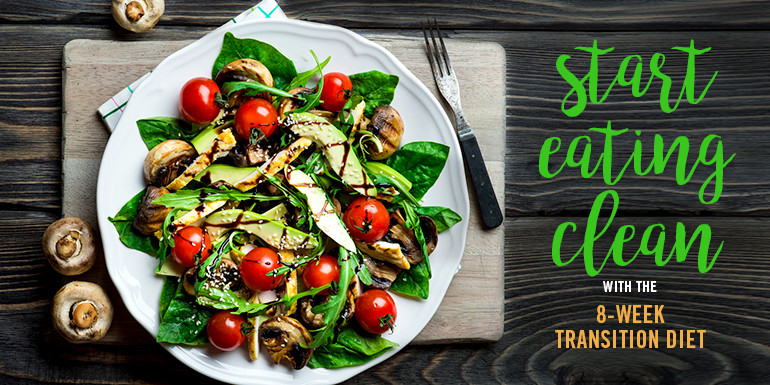
Start Eating Clean with the 8-Week Transition Diet

Transition diets are one of the easiest ways to become a healthier eater. They’re not only great for first-time dieters but are also great for any time you feel like cleaning out your system after a period of slacking off.
It’s often said that no one diet works for every individual. While this is true, you may have noticed that all Beachbody eating plans target a similar goal: Eat more natural, whole foods and less junk. That’s because there are no secrets to healthy eating. There are strategies that can lead to various performance benefits, but 99% of the goal of eating healthy is to minimize junk and get your diet to consist of real food (you know, the stuff nature makes). With this in mind, Beachbody nutrition guides use various strategies, all designed to lead you to the same place.
While those nutrition guides tend to be detailed, the 8-Week Transition Diet is for those of you who want simple. Outside of a small list of what you can’t eat, you’re free to chow down on anything. How hard can that be? You should also find that by making your transition gradually, the road to healthy eating is pretty easy.
Week 1
No junk. Eliminate junk food from your diet. That’s it, just junk. Other than this, you can eat whatever and whenever you like. The definition of junk is obvious stuff, like potato chips, candy, ice cream, cake, etc. You may be stricter if you’d like, but for Week 1, don’t be too hard on yourself. Just stay out of 7-Eleven. For many of you, this step alone will reap huge benefits.
Cheat Days: 2. Since no one’s perfect, you get two days to cheat. That’s right, two days where you can eat anything you want! A trick on cheat days is to listen to your body. At first, it’ll probably tell you it wants whatever you’ve been denying it. However, over time, it’ll start to crave nutrients you’re deficient in. Learn to read your body’s subtle signs. If you’re craving ice cream, you may be short on essential fatty acids. If you crave a hamburger, your diet may lack protein. By listening to your body and learning what it really needs in this way, you can make better food substitutions. It’s a way of getting in tune with yourself that will benefit you for your entire lifetime.
Weekly focus: Water. Not swimming in it, though that’s good too, but staying hydrated with it. “They” say you should drink at least 6 to 8 glasses of water per day, but I say you should drink more. Shoot for a gallon (though don’t worry if you fall short). Yeah, that probably seems crazy but almost all of us walk around dehydrated for most of our lives, which not only hurts the way we function but also makes us hungry when we’re actually thirsty. A glass of water when you feel hunger pangs both staves them off and helps you fill up faster when you do eat. As for other drinks, juices and sugary sodas also (obviously) fall into the junk category. And alcohol should be kept to a minimum. We tend to forget (purposely or not) that alcohol has calories. A lot of them: 7 calories per gram. Mixers can be even worse — not only can they add calories, but these sugary calories influence the way alcohol reacts with your body.
Week 2
Each week’s rules are cumulative, so the “no junk” rule from Week 1 will apply until the end, as will each subsequent week’s rule. Remember that this is a process. Treat it as though you’re in school and the subject is your own body.
Eat small, eat often. Eat every couple of hours while you’re awake and try not to eat anything for about three hours before you go to sleep. Following these rules will keep your blood sugar levels more static and your energy level will stay consistent. Try to keep each snack or meal balanced. Something like a 30% protein, 40% carbohydrate, and 30% fat ratio, though you don’t need to worry too much about it. Just realize that you need a bit from each macronutrient group. Eat based on what you’ll be doing for the next few hours (if you’re working out, eat a little more; sitting at a desk, eat a little less). The three-hours-before-bed rule is important, especially for fats and carbohydrates. By allowing time for all the carbs you eat to get into your bloodstream, your body will sleep in fat-burning mode, rather than in calorie-storing mode. This is important because undigested carbs in your stomach at night are stored as adipose tissue (fat).
Cheat Days: 2
Weekly focus: Carbs are not the enemy. Your body needs them, just like it needs proteins and fats. The trick is to choose the right carbs. As a society, we eat too much refined sugar. Complex carbs, like whole-grain breads, whole-grain rice, sweet potatoes, and legumes are outstanding foods. Even fruits, which have simple carbohydrates wrapped in fiber, are exceptionally healthy. While you don’t want a diet based on nothing but carbs, making the right carb choices will maximize your body’s potential. Try to avoid white rice and flours. Read labels, and try to avoid ones that use the word “enriched,” because this means these products have been stripped of their natural nutrients, over processed, and then fortified with a few random nutrients.
Week 3
Eat some colorful, low-density food at every meal. These are foods that take up a lot of space without a lot of calories. Veggies are the most obvious example. You can eat a salad bowl overflowing with lettuce and veggies and you most likely won’t exceed 100 calories. By eating low-density foods like veggies and fruits, you’ll keep your portions under control naturally, because they have very few calories for their size. Conversely, high-density foods, like chocolate and butter, are loaded with calories in even the smallest amounts. So beware of salad dressings and other things you add to salads and veggies. Only add enough for flavor; don’t fill up on them. When it comes to live foods, the richer the colors, the fresher the products tend to be. Try to eat a variety of colors in your diet. This simple-yet-random-feeling act will help ensure that you’re covering all your nutrient bases.
Cheat Days: 1
Weekly focus: Protein at every meal. This becomes even more important as you eat more low-density food, because protein tends to be high-density. Many veggies have a lot of protein, but the quantity you must consume starts to become prohibitive. Try to get some protein — meat, dairy, legumes, nuts, or seeds each time you eat, especially when you’re working out hard, because you need to repair broken-down muscle tissue. Since your body can only utilize a certain amount of protein at once, do your best to eat small amounts often (starting to see a theme?). Reading labels is a simple way to learn how to estimate your protein intake. You’ll notice natural foods don’t have labels but once your diet is comprised mostly of these you’ll no longer need them. More on this later.
Week 4
Cook at home. One of the best ways to control your eating is to prepare all your meals yourself. Eliminate all fast food (which hopefully happened in Week 1) and most other restaurant food. You may still eat food from certain restaurants where you can be sure of the ingredients (most will be savvy enough to make a point of how healthy their food is). As you may have seen in the news, restaurants tend to use alarming quantities of salt, among other things. This single step will often bring your body closer to homeostasis (its desired state of balance). This can be hard for many of us because we now have to plan our meals and prepare ahead of time, but try to treat it like vocational school — you don’t learn a new “job” without a little retraining.
Cheat Days: 1
Weekly focus: Fat is essential. Remember that fat is a vital part of your diet, not just something that makes you fat. What is not vital is junk fat in processed foods. Healthy fats come from fish, nuts, seeds, avocados, olives, etc. — natural sources. You need to be careful about the amount of fat you eat because it’s very dense. At 9 calories per gram, it contains more than double the calories of carbs and protein.
Week 5
Reduce starchy carbohydrates. Starches include rice, bread, potatoes, corn, beans, and other legumes. While many of these are in no way bad foods, most of us eat too much of them. The goal here is to cut way down on them, if not totally out, and then add them back in when your body feels like it needs energy. This will teach you the relationship you have with carbs. They are vital for energy but eating too many of them leaves us lethargic (and eventually fat). Once you figure this out, your entire relationship with food will change.
Cheat Days: 1
Weekly focus: Sugar is only beneficial after a hard workout or during a long one. Your body doesn’t need processed sugar. But if you really enjoy it and can’t avoid letting some sneak into your daily diet, the one-hour period after you exercise is the best time to indulge. During this window, your blood sugar is low, because you’ve used it up to finish your workout (assuming you pushed yourself), and eating sugar during this time will help you recover faster because it speeds into your system and initiates the recovery process. Adding a little protein, but not too much, will enhance your recovery even further.
Week 6
If man makes it, don’t eat it. This is likely to be the hardest week of your diet. You want to eat only whole foods and eliminate all processed foods, even good ones, for the week. This includes breads, most salad dressings, all cereal, luncheon meats, cheese, dried fruits, anything with preservatives, and alcoholic beverages. What you can eat are whole foods such as fruit, raw or steamed vegetables, meat (sans any type of sauce), natural whole-grain rice, poached eggs, etc. Since your eating habits have been slowly changing, this shouldn’t be that big a shock to your system, but it will still likely be hard. Try and get creative. There are now many raw and whole food “cook” books that can help keep you entertained.
Cheat Days: 1. The “cheat day” mentality is a good one. Decadent desserts, a night at the buffet, drinking with friends, etc., can be good for you as long as they are rewards and not habits. Studies proving this have been steadily appearing for about as long as we’ve been studying things. All work and no play does, indeed, make Jack a dull boy.
Weekly focus: Nuts and seeds make great snacks. A handful of raw almonds or cashews is a quick and easy snack that goes a long way. Don’t be put off by the high fat count of nuts, because this means it takes fewer of them to satiate you. Nuts and seeds are loaded with important phytonutrients, as well as good fats, proteins, and fiber.
Week 7
Be yourself. No rules — just try and eat as healthily as you can and do it by feel. Trusting yourself might seem like a lot of responsibility, but by now you’ll be up to it. Learning to eat by feeling what your body needs is an important step in your transformation. Consider the way you’ve been eating over the last six weeks, but don’t worry about what you should and shouldn’t do. Just fuel yourself. The point is to take a mental break. Relax and allow yourself to eat in a way that feels normal. You may be surprised to find yourself craving something healthy instead of a candy bar or soda. You’ll be better at listening to your body because it’ll tell you what it needs to eat, as opposed to what you’re used to eating. Your body should feel somewhat transformed.
“Reward for a Life Well Lived” Days: 1
Weekly focus: If you’re so hungry at night that you can’t sleep, try a protein shake. A recent study confirmed what’s been a focus of this diet for two decades; that protein before bed can raise amino acid activity for a full night of rest.
Week 8
Eat a perfect diet. Let’s get after it. No one is better able to tell you what you should eat than you. Our bodies are all different, and the key to your own perfect diet is learning about how your body reacts to different foods under different circumstances. Your journey over the last seven weeks should have brought you to a new understanding of how food affects your body, both for good and for bad. The time has come to test it. See how well you can eat for a week. In fact, see how well you can eat for the rest of your life. Live and enjoy.
Reward Days: 1, of course!
Weekly Focus: Don’t bonk. Bonking is a state when your body runs out of blood sugar and glycogen for energy. If you feel like your workouts are going backward instead of forward, this is a likely culprit. Use your energy level as your gauge. As soon as it starts to drop, start adding carbs back into your diet until you feel energized all day long. When you feel energized during your workouts and the rest of the day, you’ll know you’ve found the right balance between carbs and other nutrients. Also, remember that as your body puts on more muscle, you will need to eat more. Muscle weighs much more than fat, so as you gain muscle and lose fat, your body shrinks without losing weight. You will also require more calories in order to maintain your muscle. So, when you’re working out hard, don’t be afraid to eat more carbs than you do otherwise.
Author: Steve Edwards
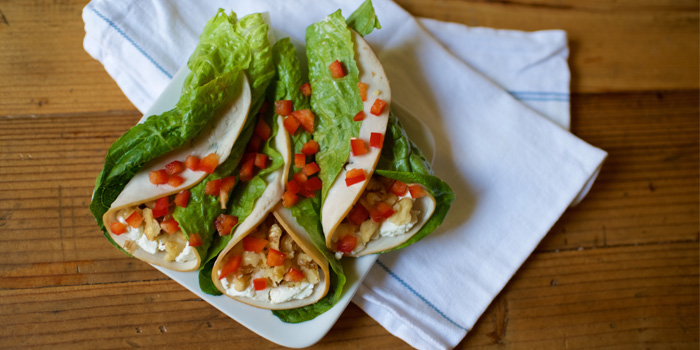
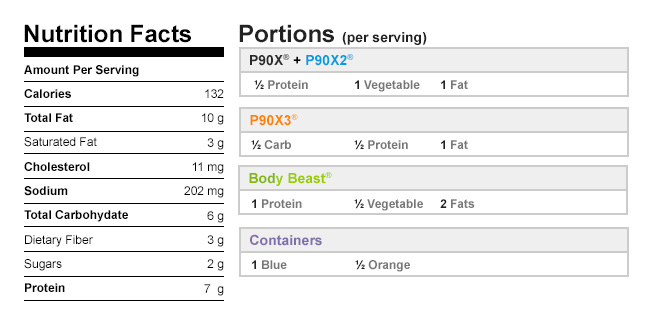
Turkey, Goat Cheese, Avocado Roll-ups

This power snack from the Body Beast Eating Plan will fuel you through a sluggish afternoon or satisfy late-night cravings. And it’s so easy to make. Wrap crunchy romaine lettuce leaves around sliced turkey, avocado, goat cheese, and walnuts for a delicious, low-carb snack.
Total Time: 15 min.
Prep Time: 15 min.
Cooking Time: None
Yield: 4 serving, 1 roll each
Prep Time: 15 min.
Cooking Time: None
Yield: 4 serving, 1 roll each
Ingredients:
4 leaves romaine lettuce
4 slices nitrite-free smoked turkey (or roast beef)
4 Tbsp. soft goat cheese
4 Tbsp. chopped walnuts (or pecans)
4 slices medium avocado
Chopped red bell pepper (for garnish; optional)
4 leaves romaine lettuce
4 slices nitrite-free smoked turkey (or roast beef)
4 Tbsp. soft goat cheese
4 Tbsp. chopped walnuts (or pecans)
4 slices medium avocado
Chopped red bell pepper (for garnish; optional)
Preparation:
1. Top each lettuce leaf with a turkey slice.
2. Spread each turkey slice with 1 Tbsp. goat cheese.
3. Sprinkle 1 Tbsp. walnuts on each roll and top with 1 slice avocado. Roll and garnish with chopped bell pepper, if desired.
1. Top each lettuce leaf with a turkey slice.
2. Spread each turkey slice with 1 Tbsp. goat cheese.
3. Sprinkle 1 Tbsp. walnuts on each roll and top with 1 slice avocado. Roll and garnish with chopped bell pepper, if desired.

Photos by Kirsten Morningstar
Subscribe to:
Posts (Atom)